Ethnomathematics: Indigenous Knowledge Meets Modern Math
In a groundbreaking study, researchers at Makerere University in Uganda have shed light on the powerful role that Indigenous Knowledge Systems (IKS) can play in mathematics education. The research, led by Dr. Marjorie Sarah Kabuye Batiibwe from the Department of Science Technical and Vocational Education, explores how traditional practices can be leveraged to make mathematics more accessible and engaging for students.
Dr. Mundu Mustafa
Kampala International University is emerging onto the map for innovation in Africa.
Prof. Patrick Ogao
Uganda Technology and Management University (UTAMU) is transitioning to Universal Technology and Management University to reflect its global mission.
Prof Patrick Edrin Kyamanywa
Uganda Martyr's University vice-chancellor calls for global collaboration in developing STEM focused graduated and entrepreneurs.
Prof. Mouhammad Mpezamihigo
You can only innovate from what you already have. It involves a thought process, ideation, filtration of ideas, prototyping, and more.
Professor Barnabas Nawangwe
"We must create tailor-made solutions for us that insulate us from concepts like ‘Vaccine Apartheid’, where people from this side of the world get vaccine aid last.
With the help of the government we carried out the most transformative modernization project of our research labs during the pandemic. We now have labs that can compete with the best research labs all over the world."

What Changed When Ugandan Farmers Rated Input Quality And Local Vendor Services
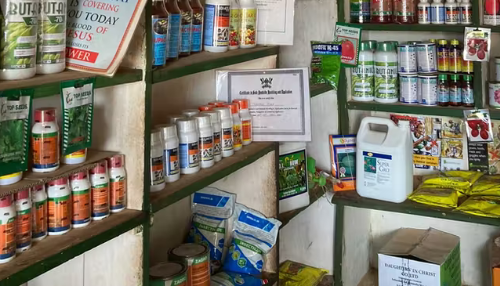
Each agricultural season, small-scale maize farmers in southeastern Uganda face the same dilemma. Should they shell out a few extra shillings and buy commercial maize seed from the nearby agro-input shop, or should they just plant seed saved from the previous harvest?
The advantages of the first strategy are obvious. The small investment in commercial seed can substantially increase future income from maize. About 28,000 UGX (roughly US$8) buys enough seed to plant half an acre, and can yield an additional 1.25 to 2.5 bags of maize – an extra income of between 88,000 and 176,000 UGX ($25-50).

Mak & Partners Win 5Year US$38M “Agency for All” Project
Makerere University and a consortium of partners led by the University of California San Diego have won a five-year global health study project worth US$38 Million. The project code-named “Agency for All” will research and promote the voices of low-and-middle-income people within their communities and within health development programming.
Assessing the Effect of Road Transport Infrastructure on Firm Performance in Uganda
Researchers have found that access to road transport infrastructure does not greatly affect firm performance but rather Labour plays the biggest role in determining the productivity of a firm in Uganda followed by capital. These results where shared by a research team led by Dr. Susan Namirembe Kavuma during a dissemination workshop in Makerere on March 24th, 2022.
Why Merging Uganda’s Electricity Sector Agencies Is A Bad Idea
Early in 2021, the government of Uganda approved a two-year plan to streamline state-run agencies for greater efficiency. The first phase of the merger targeted 77 agencies under 18 ministries. By the time parliament put the programme on hold months later, 69 of these agencies had been merged.
Parliament stepped in because the government sidestepped the law and could face court challenges. But the programme is still on the cards once key issues are resolved. These include amendments to laws governing energy agencies and provision of financial compensation to affected parties and staff.
Are Small Farms the Solution to Food Insecurity? Uganda Study Shows Policies Can Get It Wrong
Around the developing world, agriculture remains a critical source of livelihood. In many low-income countries, the sector accounts for around 30% of gross domestic product, and 60% of employment. At the same time, most of the world’s extreme poor live in rural areas, mainly practising small-scale farming.