
Walid Gaddas
Stecia International fosters partnerships to boost African agriculture: Key collaborations with universities, startups, and institutions driving innovation taking North African solutions to West Africa.
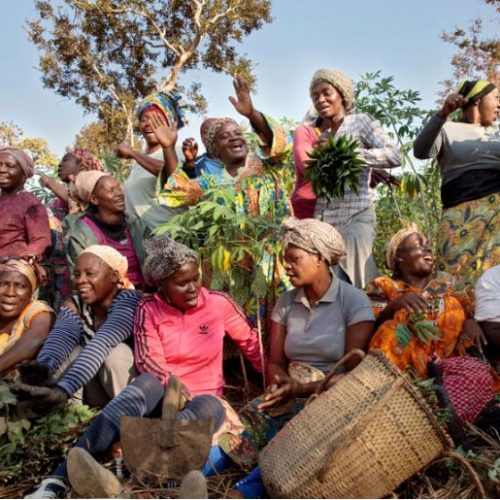
Africa’s Topsy-turvy Food Paradox
Imagine a country defined by deep inequalities that determine how the population live – right down to what they eat. One section of society has easy access to fresh local produce that is organically grown, diverse, and nutritious. The other half largely turn to ultra-processed food produced on a mass scale thousands of miles away.
For many people across the world, this basic description will be familiar. And yet, depending on where they are, the particular countries and dynamics being imagined may be entirely different.
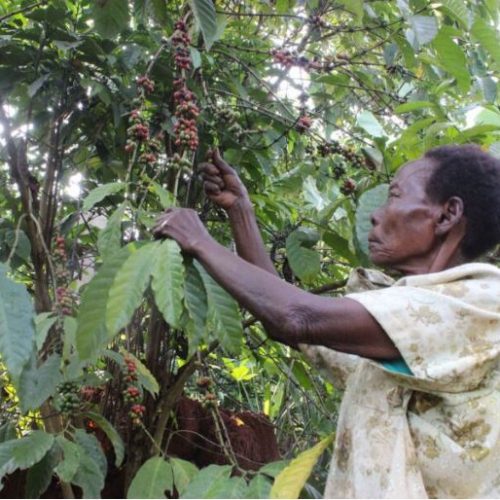
Economic Bondage: East Africa Farmers Worry Over What GMOs Might Mean
Uganda is bordered to the east by Kenya. The two countries trade agricultural products, including seeds. Kenya’s decision has ignited conversations around GMOs in Uganda. Those against GMOs worry the move will promote seed dependency, a form of “neo-colonialism in Africa”, as put by David Kabanda, executive director of the Center for Food and Adequate Living Rights, a local NGO. Meanwhile, proponents of GMOs insist the move is solely to address the challenge of food security.
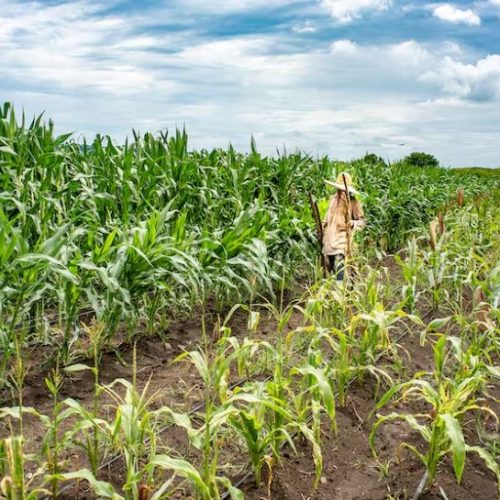
Technology Can Boost Farming In Africa, But It Can Also Threaten Biodiversity - How to Balance the Two
Cultivating one hectare of maize used to be an arduous task for Precious Banda, a farmer in Zambia. It would take her hundreds of hours to prepare her land before sowing and to keep it weed-free until harvest – equipped with nothing but a small hoe. She says it was backbreaking work: “I can still feel it.” For a few years now she has hired a tractor, and a neighbour sprays herbicides for her. “Life has become so easy,” she says.
But she has also noticed changes around her farm. There are fewer bees and – most worrying for her – fewer caterpillars, which used to make a delightful dish. Precious Banda’s story is a perfect example of the situation millions of African farmers face.