
From Cardamom to Carbon: Bold New Tanzanian Project Is Regrowing A Rainforest
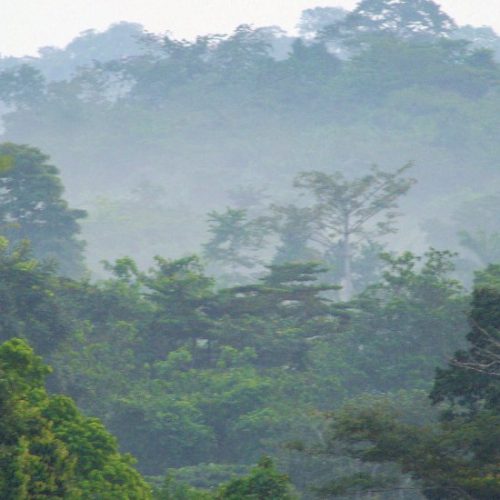
Farmers in eastern Tanzania are regrowing rainforest trees on part of their land. The farmers receive payments from the sale of carbon credits to supplement their incomes and to compensate them for loss of land and cash crops. So far, close to 270,000 trees have been planted on 200 hectares (494 acres) of farms located on the flanks of the Nguru Mountains.
Ambitious Return to Carbon Markets to Conserve Africa’s Forests
Ten million hectares of forest: that’s the total area The Nature Conservancy (TNC) aims to see protected or restored by the Africa Forest Carbon Catalyst, launched this week. Adapting a business model from Silicon Valley’s technology startups, TNC intends to help local enterprises raise $300 million of investment by 2025 for forest conservation and restoration projects in Africa that will avoid some 20 million tonnes of CO2 emissions and improve the lives and livelihoods of up to half a million people.
Around 20 percent of the world’s remaining forests are found in Africa; here, as elsewhere, they are under extreme pressure.
Major Breakthrough for Maktech Can Deliver Smart Cities and Towns Across Tanzania
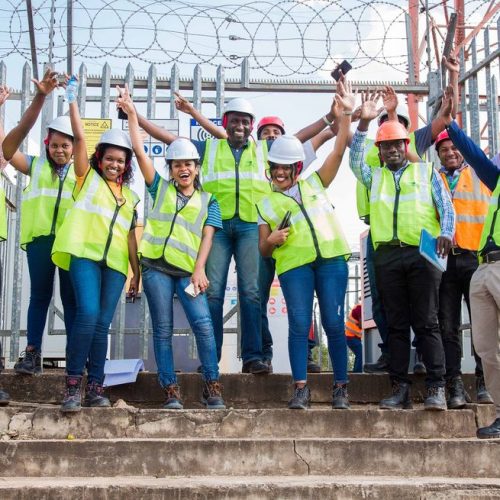
Tanzanian telecommunications firm Maktech has become the first locally-owned firm in the country to win a telecom tower construction licence.
The licence will allow the firm to build low-cost towers that provide new network facilities in Dar es Salaam, Coastal Dodoma, Mwanza, Arusha and Mbeya regions. Maktech will build up to two hundred towers within the next five years to deliver stable and reliable network coverage across the country.
Increased telecommunications infrastructure rollout in rural Tanzania would bring social and economic benefits to millions of Tanzanians. While the growth of telecommunication services continues to rise in Tanzania, the country of 60.6 million people has an internet penetration rate of just 25% and large parts of the country still lack mobile phone connectivity.
The development is also a significant breakthrough for advocates of local leadership and ownership in a sector naturally dominated by multinational firms.
Building Tanzania’s Telecommunications Powerhouse
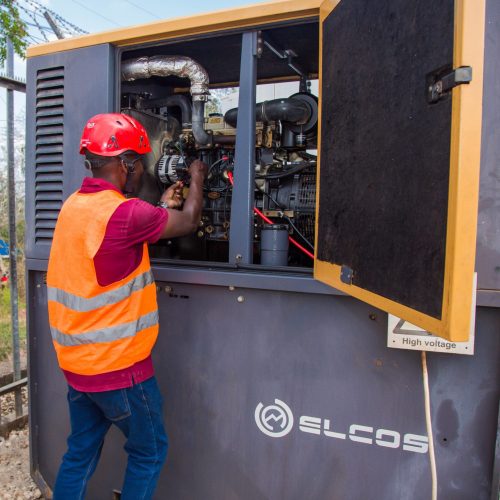
As an executive decision-maker in both the telecommunications and tourism industries, Godwin Makyao could not have experienced a more diverse set of challenges as the Covid-19 pandemic hit East Africa.
The crisis has paralysed the global tourism industry. On the other hand, the reliance of all industries on the telecommunications sector has been magnified. In East Africa, the crisis could act as a catalyst for the further development of the telecommunications industry, opening up opportunity for investors and operators in the sector.
Mr Makyao is the Founder and Executive Director of Maktech, a Tanzanian telecommunications with operations also in Mozambique. Mr Makyao believes that in the face of the crisis, the industry stood up well despite being held back in certain areas by a lack of infrastructure.